on Tour
The private MIS lab, on tour. Powered by the Cadara Foot™.
Become the MIS surgeon your region refers to.
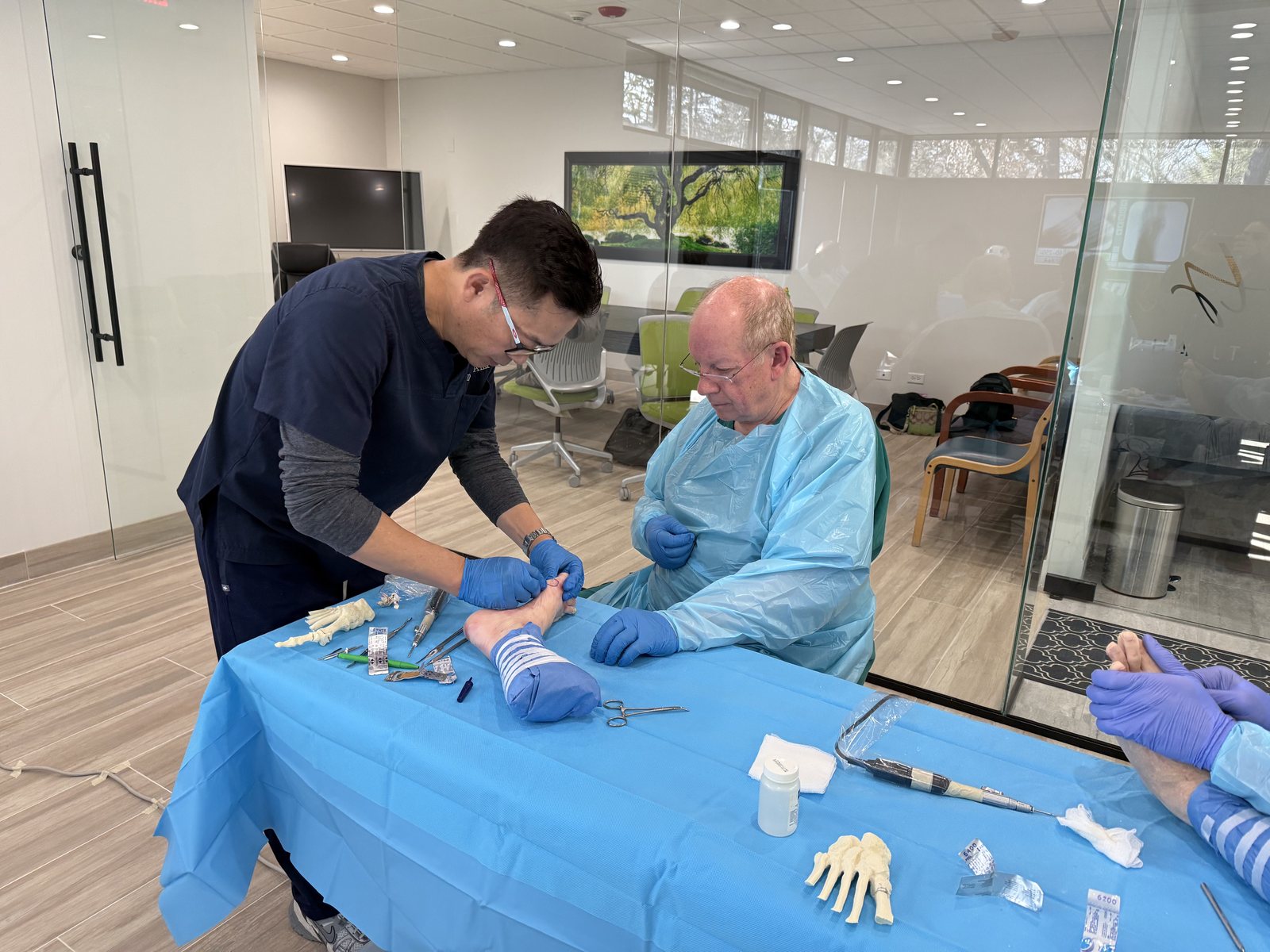
For the first time, Dr. TJ Ahn's private MIS lab comes to you. Same technique, same faculty, same two days, on the Cadara Foot™ instead of a cadaver.
The same MIS lab, on tour. With the Cadara Foot™ instead of a cadaver.
Same techniques, same faculty, same two-day format as Dr. Ahn's private labs. The one difference is the specimen: the Cadara Foot™, invented for the exact skills MIS demands.
- 01You skip the gowns, the wet lab, and the specimen logistics. A conference room and a C-arm.
- 02Your blade passes through skin, then soft tissue, hits the capsule, you reflect it, and you reach bone for the osteotomy. The same sequence as a real foot.
- 03You run the classic non-fixating osteotomies. For the first ray, if you prefer to fixate internally, we show you the internal fixation technique step-by-step under fluoro, just like a human foot, with Dr. Ahn and his trusted faculty at your side.
- 04Didactics and cases Friday, the full hands-on lab Saturday, complications and implementation covered in the room.
Do it to believe it.
You no longer have to fly to the lab. The lab flies to you.
Until now, an MIS cadaver lab could not travel. Specimens have to be procured, shipped, handled, and disposed of, in a wet-lab facility, under biohazard rules. The Cadara Foot™ removes all of that, so for the first time the same lab, the same faculty, and the same curriculum can come to your region. First stop: New York. Then the South, the Southeast, the West, and beyond.
New York
Jan 8–9, 2027 · Booking now
Texas
Planned
Florida
Planned
California
Planned
International
Planned
This lab is for you if any of these is true.
Foot and ankle surgeons at every level of MIS experience train together here. Find yourself below.
You are curious about MIS and want to try it before you commit
You have watched the videos and read the slides. Here you get the real technique in your hands, under real fluoro, with Dr. Ahn at your table.
Close to home, without the private-lab price.
You have done a cadaver lab and want to improve, or add MIS fixation
You want a second pass at the core principles under expert eyes, the newer MIS techniques, and the bunion with fixation added to what you already do.
Bad habits get caught before they become permanent.
You have questions about MIS that a lecture never answers
Implementation, complications, the cases you hesitate on. You ask Dr. Ahn directly and work them out with a small group of surgeons who are where you are.
Small group. Direct access. The whole weekend to ask.
The art and the science of MIS, in your hands by Saturday.
This is where the science becomes skill. You run both styles of MIS you will use in practice, the classic percutaneous osteotomy and the fixated bunion, on the Cadara Foot™ with Dr. Ahn correcting you at the table.
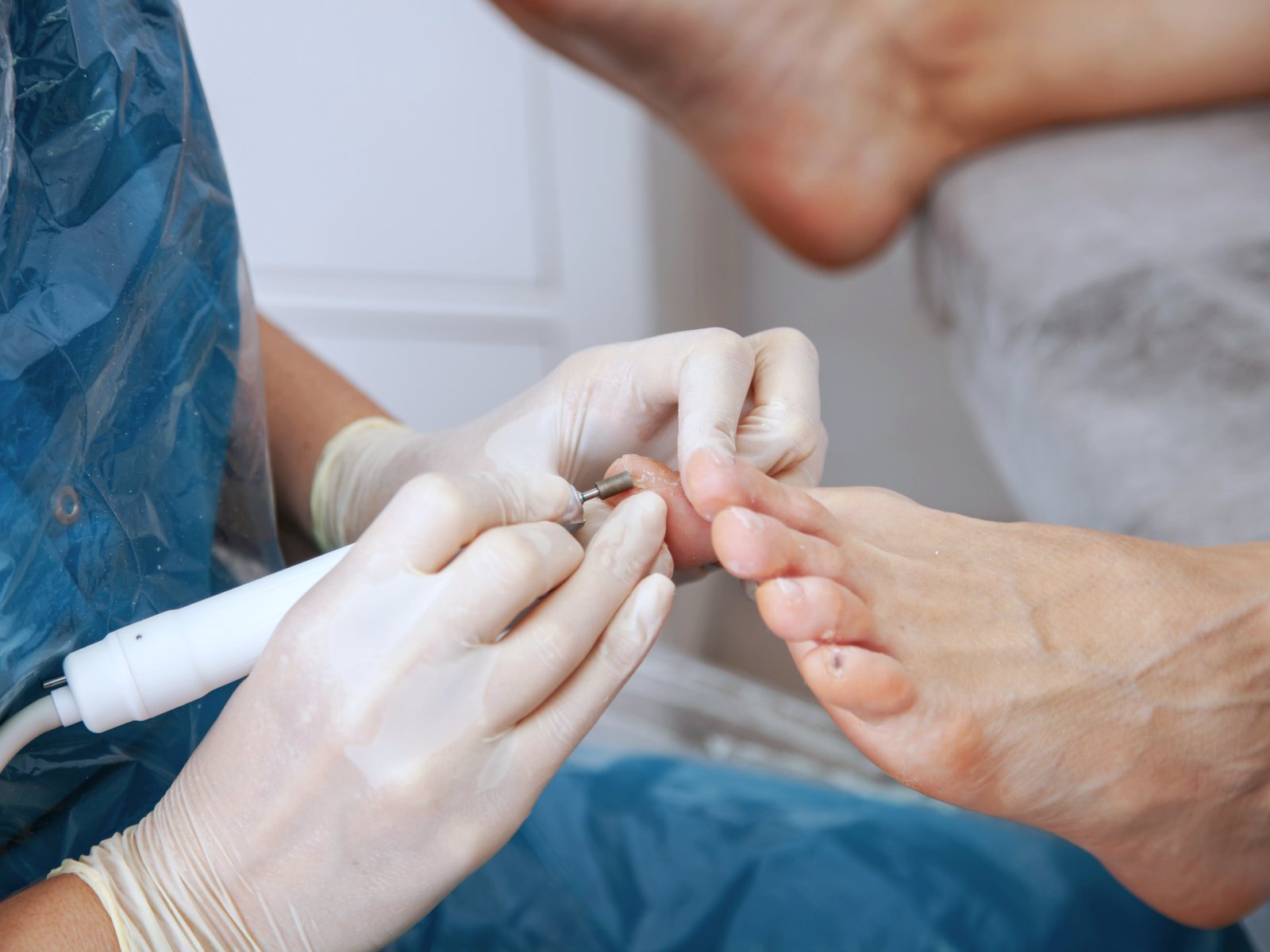
Percutaneous osteotomy, no hardware
You work burr in hand through a 2 to 3 mm portal: the entry, the capsule, the cut, and the correction that holds without a screw. Hammertoe, lesser metatarsal, Akin, exostectomy, Tailor's bunion.
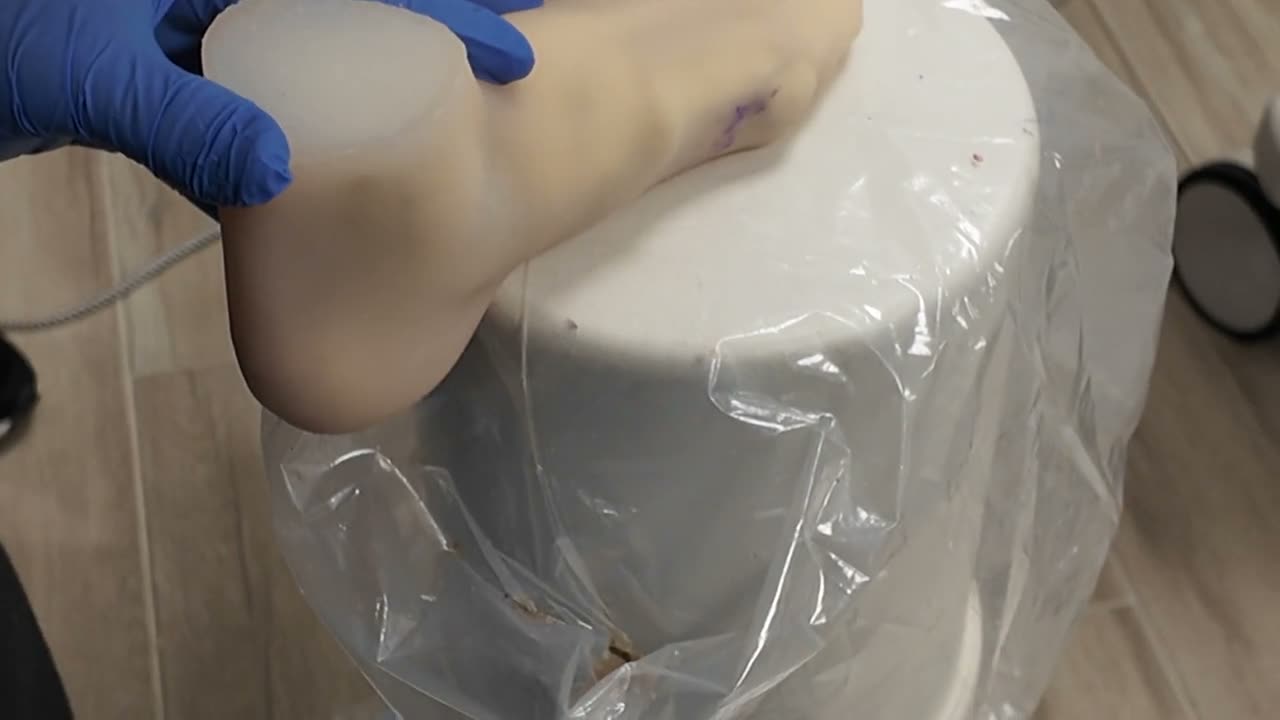
MIS bunion with fixation
You place the guidewire, set the trajectory, make the shift, drive the screw, and confirm it on the checkpoint shot. Then you handle real fixation systems, so the screw you learn on is one you can order Monday.
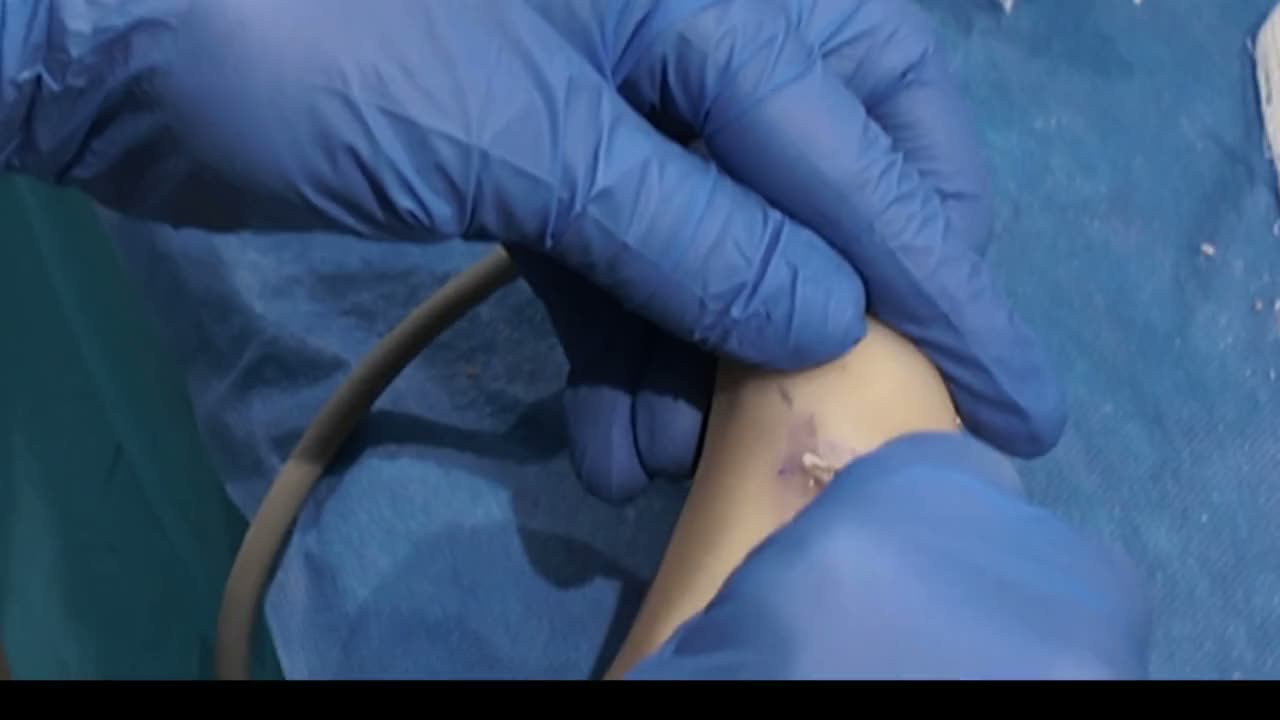
You cannot see the bone in percutaneous surgery. You feel it: depth, vibration, the sound of the burr, the give into the capsule. This is Dr. Ahn's method for training that sensation, and it runs through every hour of the lab.
From patient selection to post-op care
You leave with step-by-step protocols you can use Monday: indications, the consult, the OR setup, the post-op course, and how to avoid the common complications.
The power, the burrs, and what to buy
You work with the full MIS instrument set, and you leave knowing exactly what to buy for your own practice and how to get the most out of it.
You have watched MIS, maybe done a lab, and you still hesitate to book the case. Or you do MIS and want the fixation side and the newer techniques.
You have run every core procedure under fluoro, had your technique corrected by Dr. Ahn, and you hold a protocol for booking your next MIS case.
Ten seats at the founding stop, at the pilot rate. Dates, price, and what is included are one scroll down.
You cannot watch your way into MIS. You have to feel it.
Minimally invasive surgery happens through a few millimeters of skin. You guide the burr by depth and vibration, you find the osteotomy inside the capsule by feel, you read the bone through your hands, not your eyes. That instinct is what this lab trains, and you train it on the same purpose-built foot every time, with a real deformity waiting, not a cadaver leg that arrived worn out or poorly preserved. Here is what you get, next to a typical private cadaver lab weekend.
The cadaver labs are still where you get full anatomy and the most complex cases. This lab gets you ready for them, or sharpens what you already do.
What happens Friday and Saturday.
Friday afternoon you learn the principles, the cases, the complications, and how to implement. Saturday you are at the table all day with the Cadara Foot™, with faculty at your elbow.
MIS core principles and the Sixth Sense Protocol™
Indications and patient selection, the portal, the capsule, burr control, and the tactile, vibratory, and auditory read that percutaneous surgery runs on. The pearls, not the slideshow.
Case review and complications
Bunion, hammertoe, lesser metatarsal, and Tailor's bunion cases from Dr. Ahn's practice, including the ones that went sideways and what to do about them. Bring your own films.
Implementation: from consult to post-op
Instrumentation and what to buy, OR setup, imaging workflow, the post-op course, and how to bring MIS into your practice the week you get home.
Hands-on lab: classic MIS, no hardware
Burr in hand with the Cadara Foot™ under live fluoro. Hammertoe, lesser metatarsal osteotomy, Akin, exostectomy. Faculty at your elbow, correcting the entry, the angle, and the feel.
Hands-on lab: next-generation MIS, the bunion with fixation
Guidewire, trajectory, the shift, the screw, the checkpoint shot. Product-neutral technique, taught the way Dr. Ahn does it in his own OR.
The Fixation Workshop
Partner fixation companies bring their screws and plates to your table. You place real fixation on the specimen with the systems you would reach for in the OR, and feel the difference between them. Held separate from the accredited teaching.
Discussion panel
Your questions, your cases, and the concerns that keep you from booking the next one, worked through with Dr. Ahn and the faculty in the room.
Dressing and splinting workshop
How you dress and splint the MIS foot so your correction holds. The part that decides your post-op course, in your hands before you leave.
Wrap and next steps
You receive your certificate of completion, your implementation checklist, and the Cadara Foot™ you corrected, yours to take home, to keep your feel sharp between cases and to show your next patient what MIS does.
What is the Cadara Foot™?
The foot you will operate on all Saturday. Built by Dr. TJ Ahn and Dr. CJ Au, an MIT and Harvard trained PhD engineer with 12 U.S. patents, over two years of testing, to behave like the foot you operate on in the OR: radiopaque bone, joint capsules, a proprietary soft-tissue matrix, and skin that reads like skin.
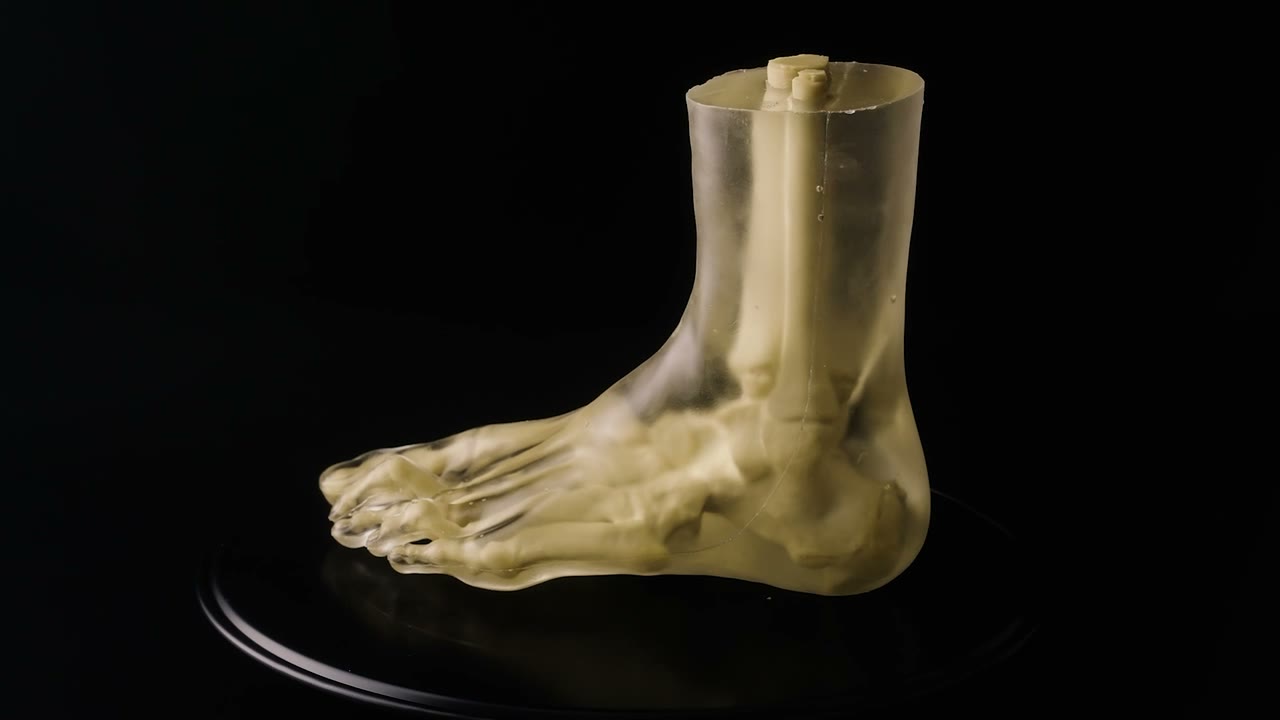
Radiopaque bone you shoot under live fluoro.
You bring the C-arm in and confirm your guidewire, your cut, and your screw exactly the way you will on a patient.
Joint capsules and soft tissue that feel like tissue.
You enter the capsule and feel the give. Bone paste expresses under thumb pressure. The feedback is what you are here to train.
Skin that hides the bone. Exactly like the OR.
You cannot see the bone, so you learn to feel it. A real deformity underneath that corrects as you cut.
Translucent to see the burr. Skin to work like the OR.
Starting out? Choose the translucent model and watch where the burr sits, something a cadaver can never show you. Ready for OR conditions? Choose the skin model and train the feel with the Sixth Sense Protocol™. You pick on the pre-event questionnaire.
Your blade feels every layer, in the order the OR gives them to you.
Skin, soft tissue, capsule, bone. You learn how the pass feels through each one, and how to reflect the capsule to reach the bone, the way you will on a patient. With Dr. Ahn guiding every step of the way.
The incision
Two to three millimeters, through a dermis that reads like skin under the blade.
The pass
Through a soft-tissue matrix with the resistance of the real thing, so you learn depth by feel.
The give
You hit the capsule, feel it, and reflect it to expose the bone, exactly as you will in the OR.
The osteotomy
Radiopaque bone under the burr, with bone paste under reduction and the C-arm to confirm it.
Built by a surgeon tired of watching surgeons struggle with MIS.
Surgeons would leave the lab inspired, but couldn't replicate what they learned. It drove me crazy.
After 1,500+ MIS bone cases and 50+ cadaver labs, the same story every time.
Two years in the making. Testing after testing after testing. We didn't rush this.
Built with Dr. CJ Au, an MIT and Harvard trained engineer. Surgeon tested. U.S. patent pending.
The skin model hides the bone, just like live surgery, so you train your tactile and auditory sensation in true operating conditions.
Translucent to see the burr. Skin to feel it. Both radiopaque.
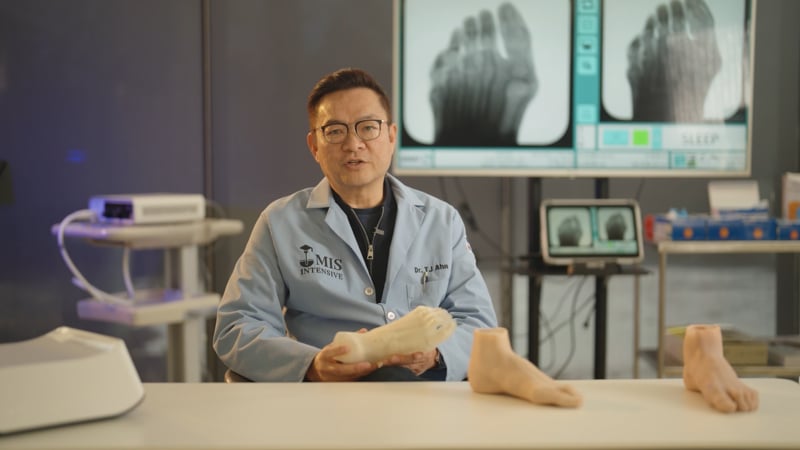
"It's not about knowledge. It's about sensation. The vibratory feedback, the tactile response, the sound of the burr finding bone."
Dr. TJ Ahn · inventor of the Cadara Foot™
Surgeons who have cut real bone say the same thing when they pick it up: it feels like the real thing. That is the reason the lab can come to you.
Real footage. The actual model, under your instruments.
Radiopaque to the core
The actual model under fluoroscopy. Line up your shots the way you will in the OR.
A window you can cut
Cut your portal and watch instruments work against bone in real time.
Authentic bone paste
Real-feel bone paste under reduction: the tactile signature of MIS.
Skin that reads like skin
The skin model hides the bone, so you train the feel exactly as you will use it.
The feel of the case, before the case.
Entry, capsule, burr control, fixation, and the fluoro checkpoints, on a specimen that answers back, with faculty correcting you in real time.
Open, complex anatomy.
Full open dissection and reconstruction still belong in Dr. Ahn's cadaver labs. MIS is different: percutaneous, straight to the capsule and the bone, no layer-by-layer dissection. Every MIS osteotomy you run here, the Cadara Foot™ replicates fully, and you confirm each one on fluoro.
Hear it from surgeons who were where you are.
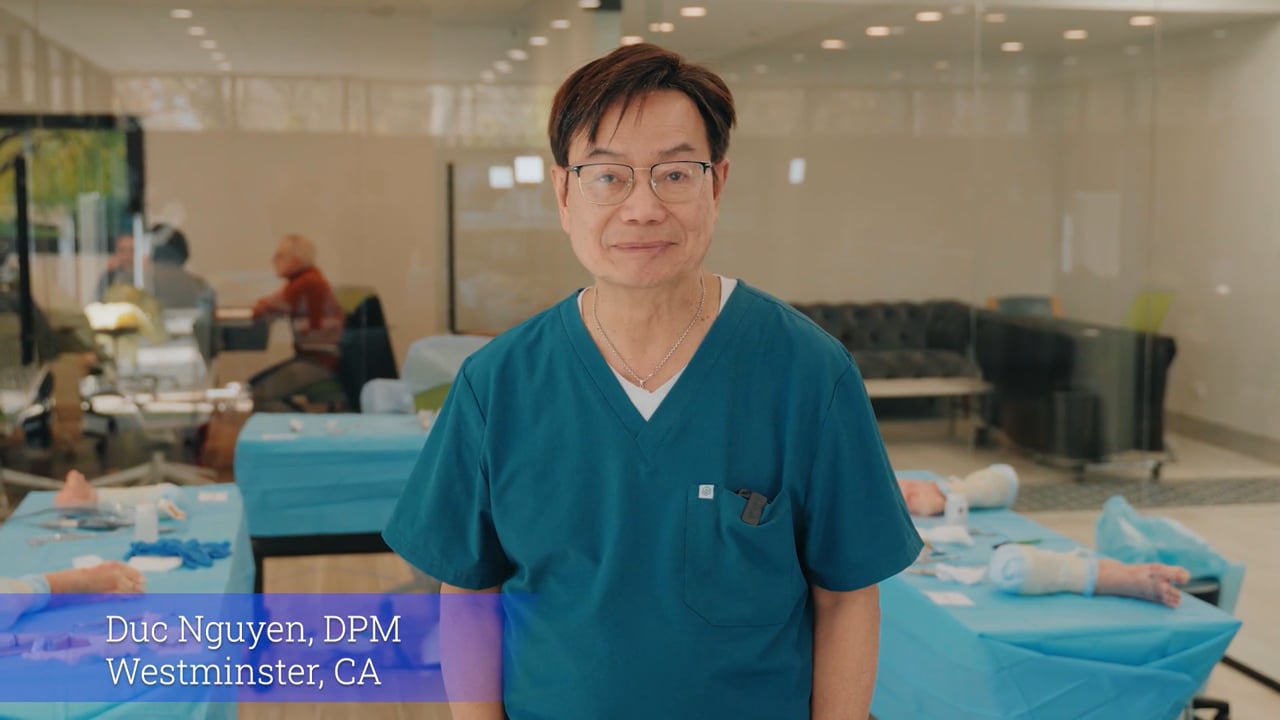
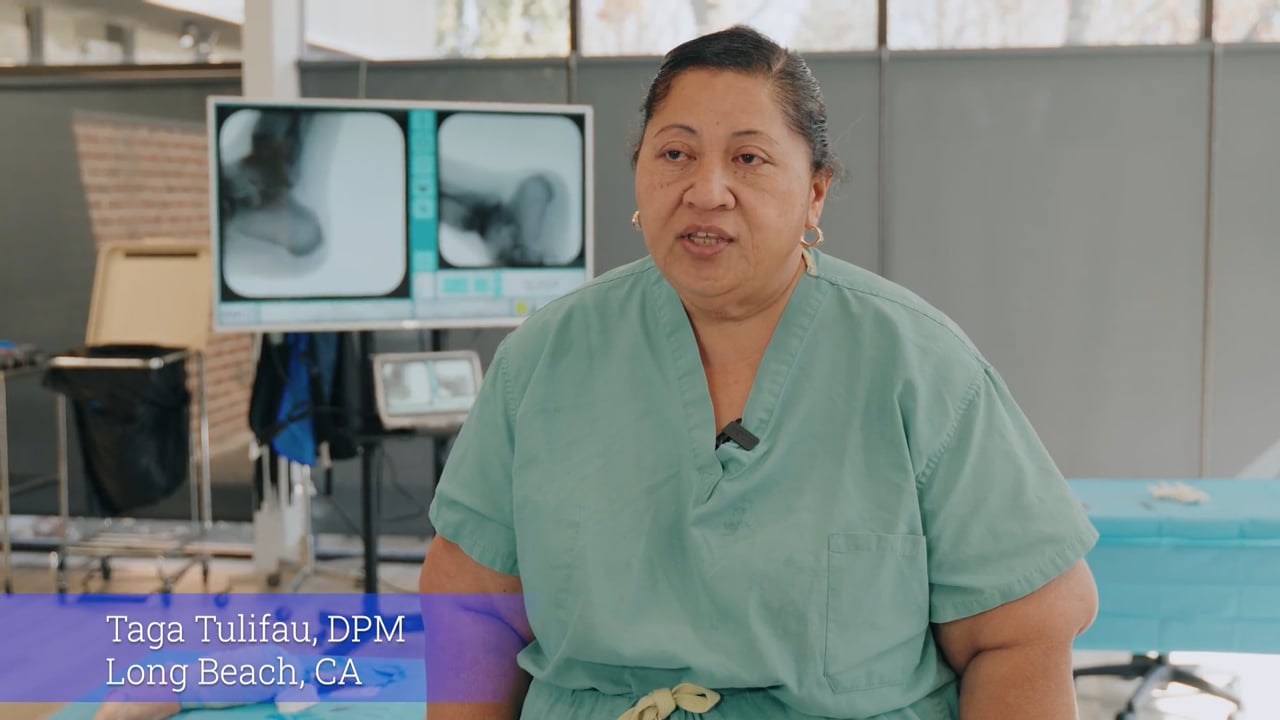
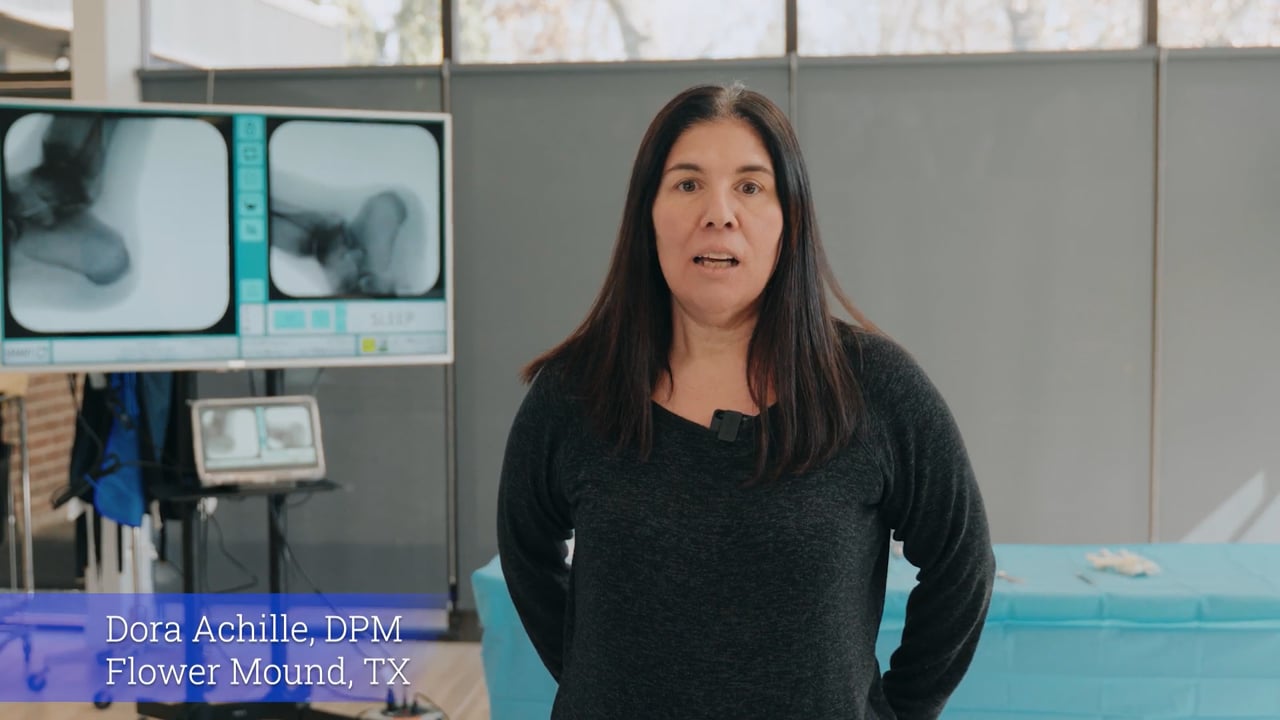
These surgeons trained with Dr. Ahn in his labs. They are talking about the teaching, the small group, the feedback, and what they could do the week after. That experience is what comes to every stop of the tour, regardless of the specimen on the table.
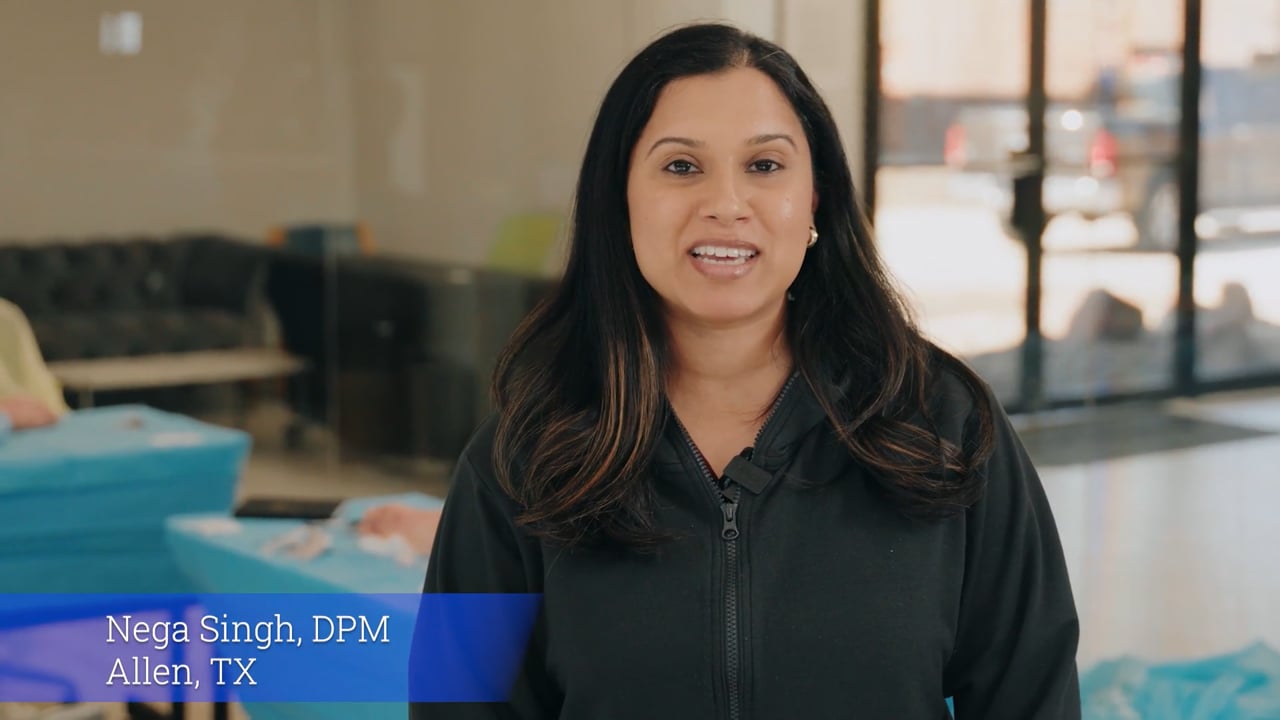
The small group format was incredible. I finally got the detailed feedback I needed to feel comfortable performing these osteotomies. Dr. Ahn's constant guidance helped me master techniques I've struggled with for years.
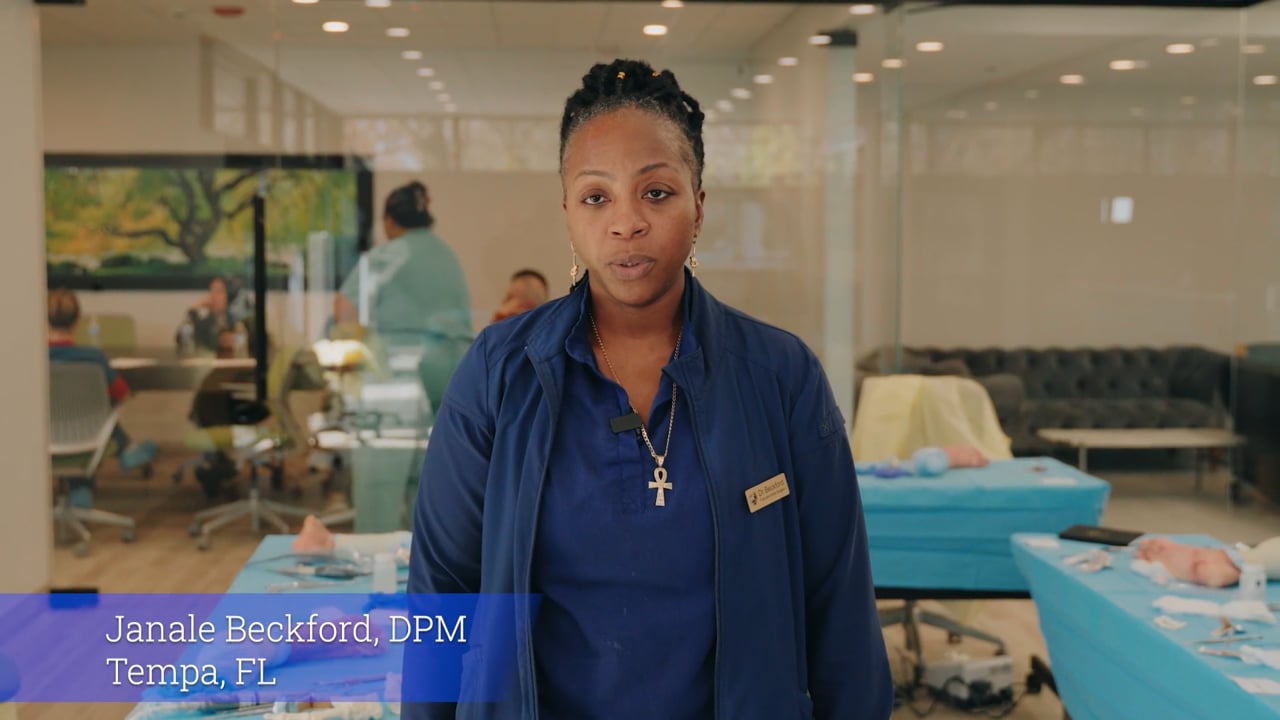
I practiced until I truly understood the technique. Within a week of the workshop, I successfully performed my first bunion MIS procedure. Worth every penny.
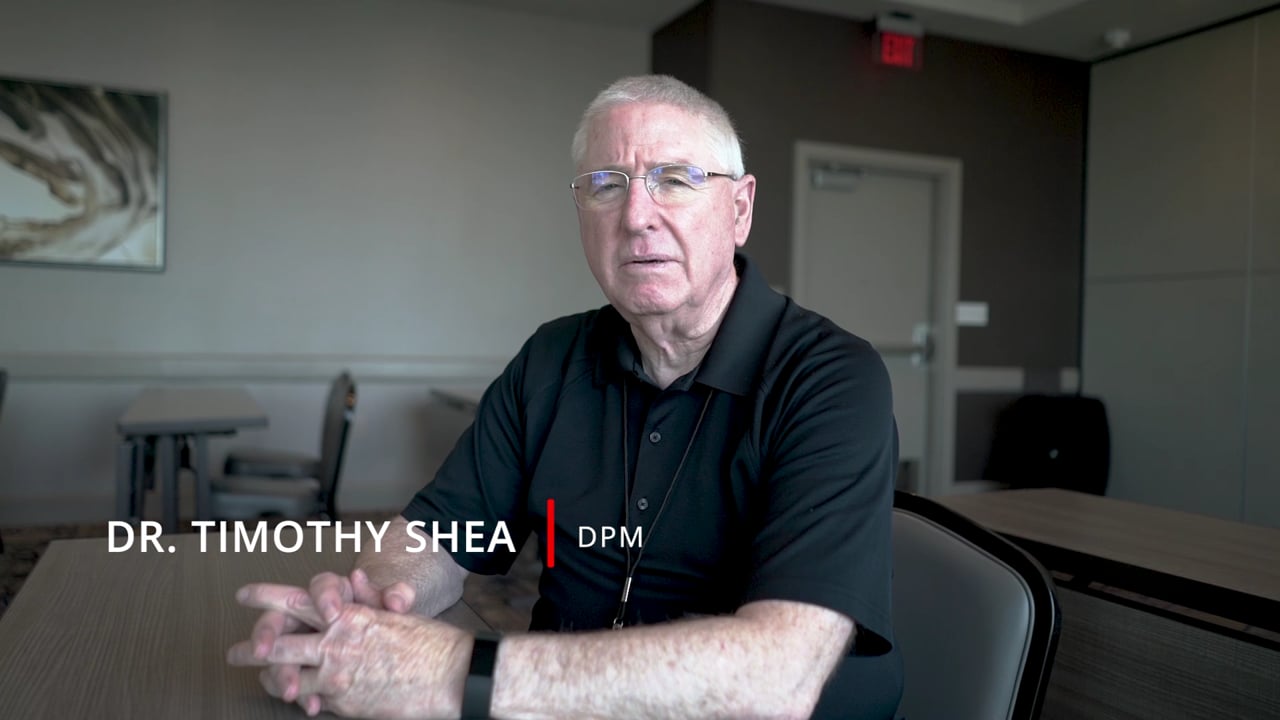
I was able to implement MIS and schedule 10 to 15 MIS cases within 3 months of TJ's program.
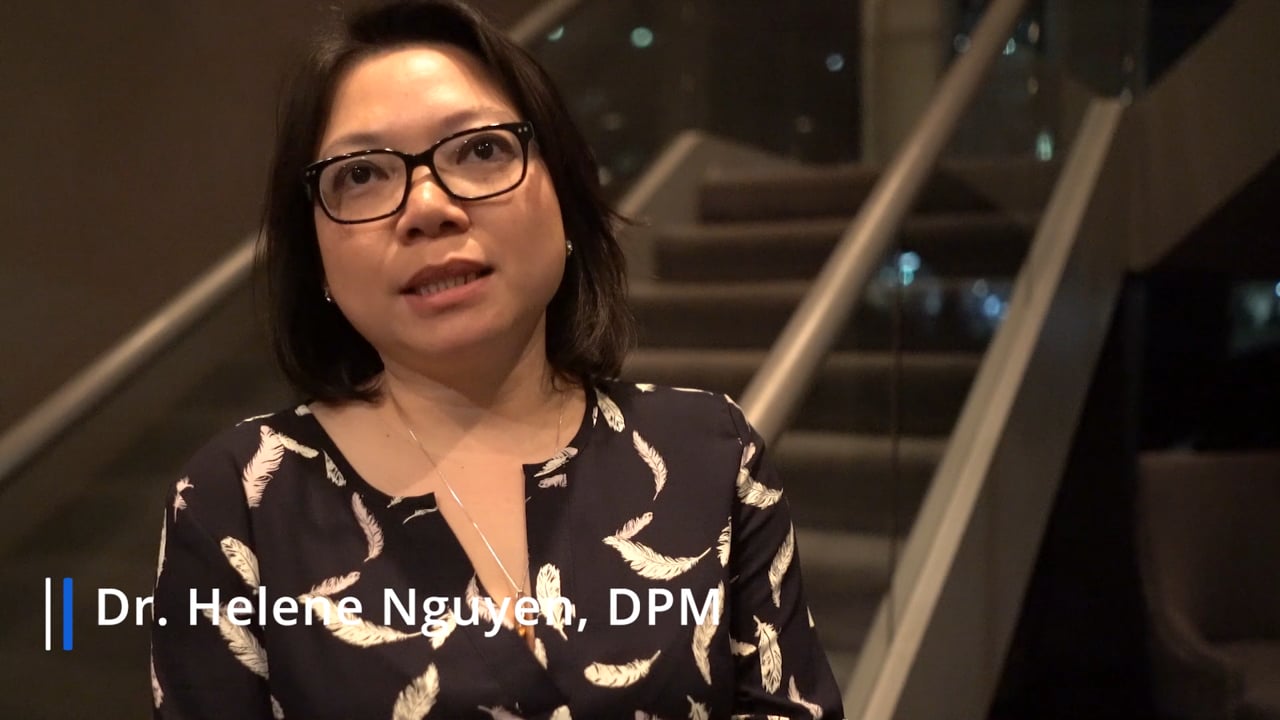
He's a great coach. Very knowledgeable. Now I have volume of MIFAS coming in and I'm grateful.
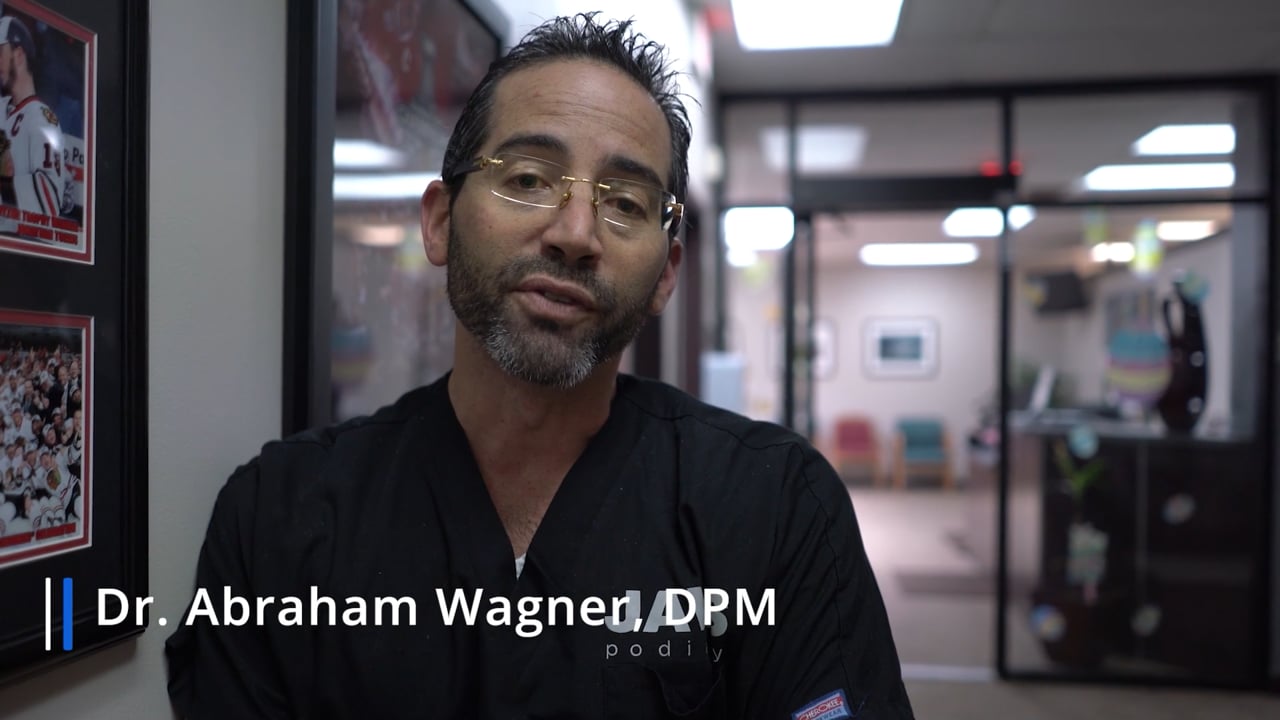
Joining TJ is one of the best career decisions I've ever made.
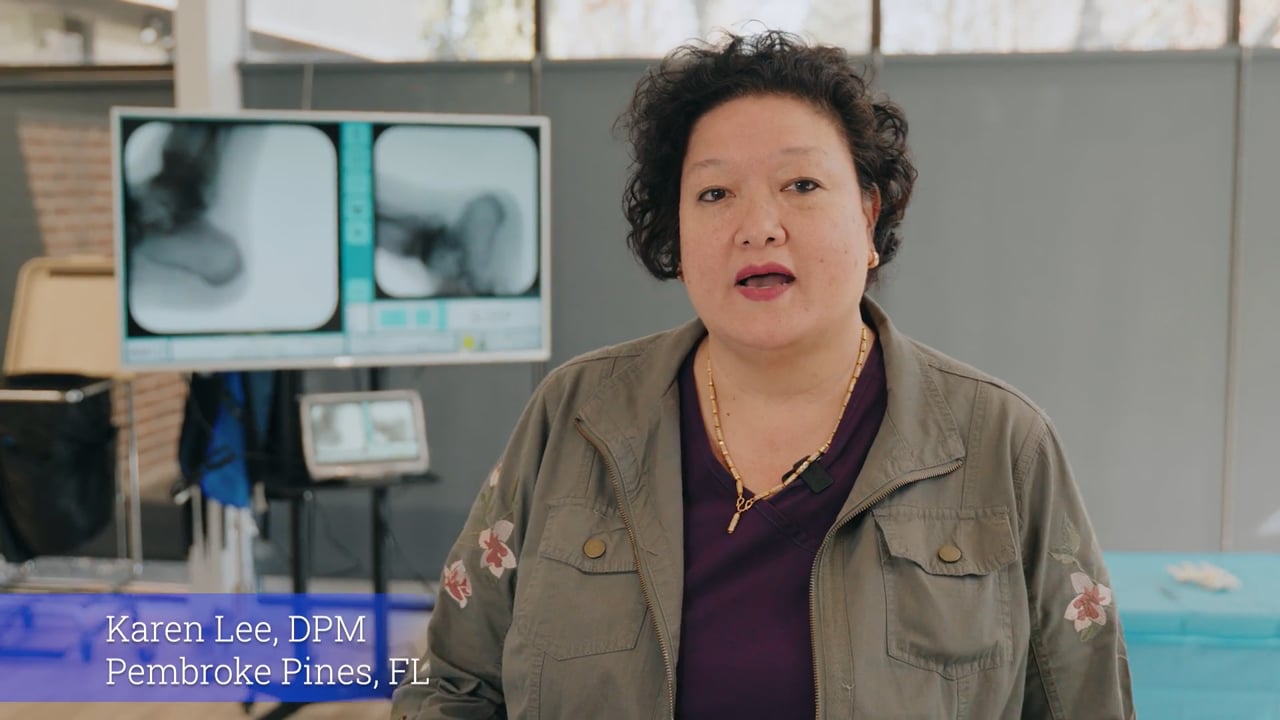
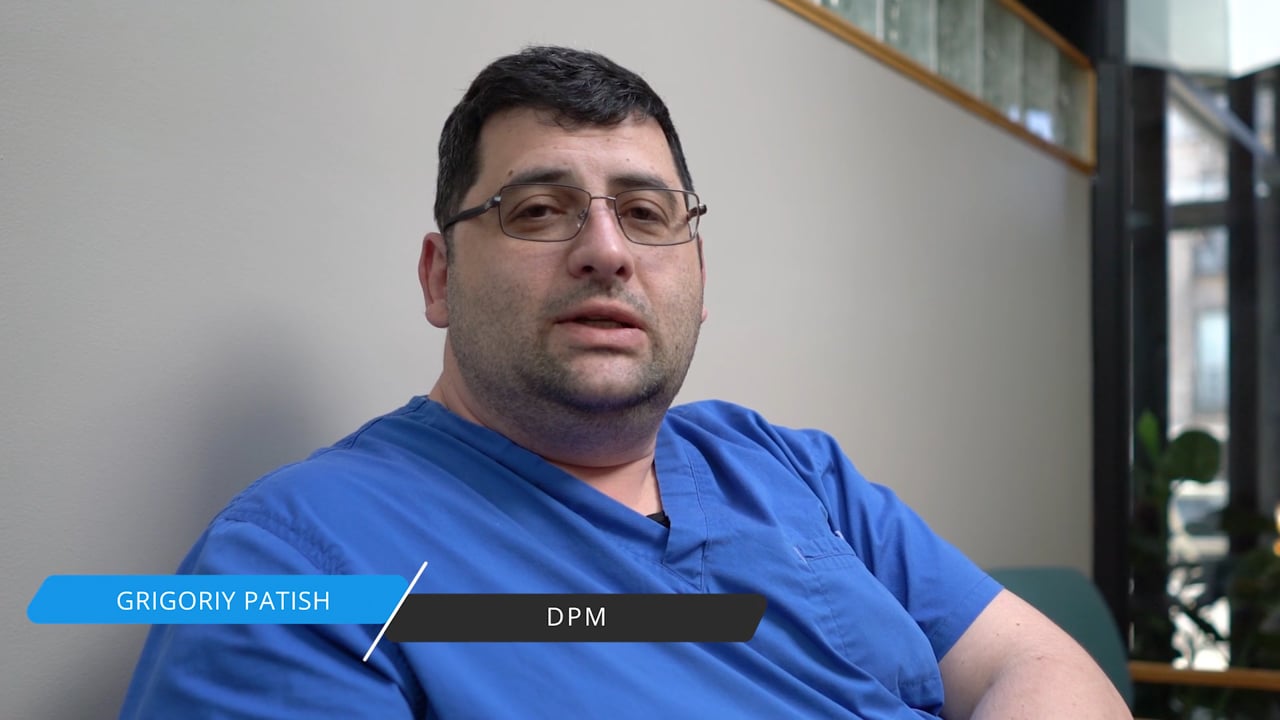
A wealth of knowledge I can take to my practice. I really love this course.
And what it feels like under your instruments.
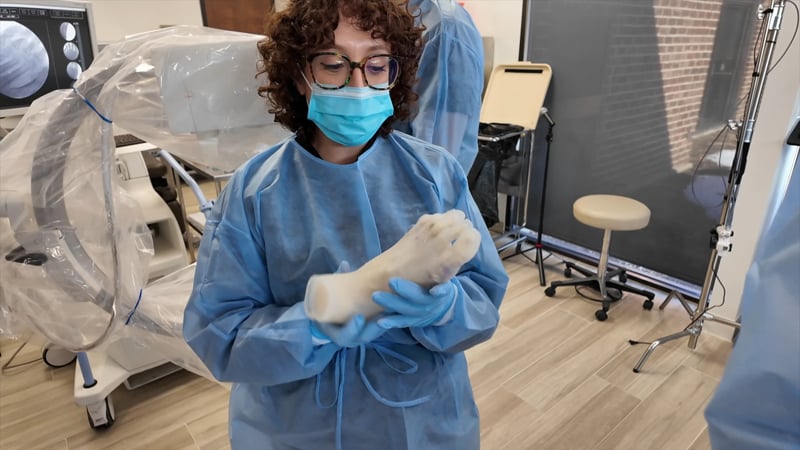
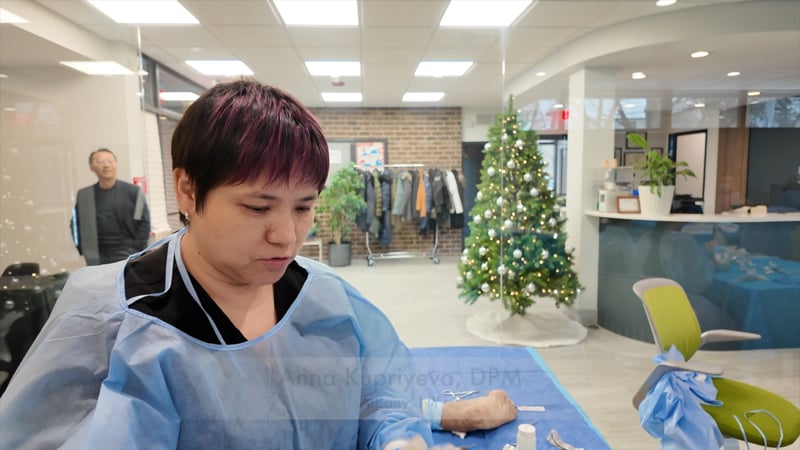
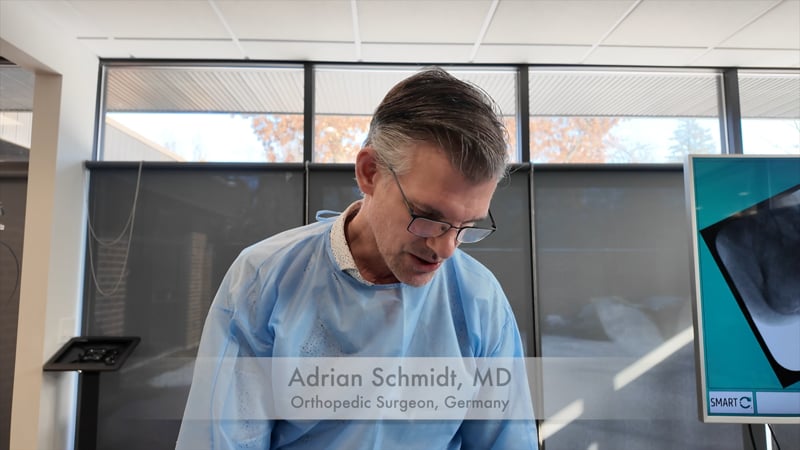
One surgeon who works the Cadara Foot™ under his own C-arm, then six who picked it up for the first time, on camera.
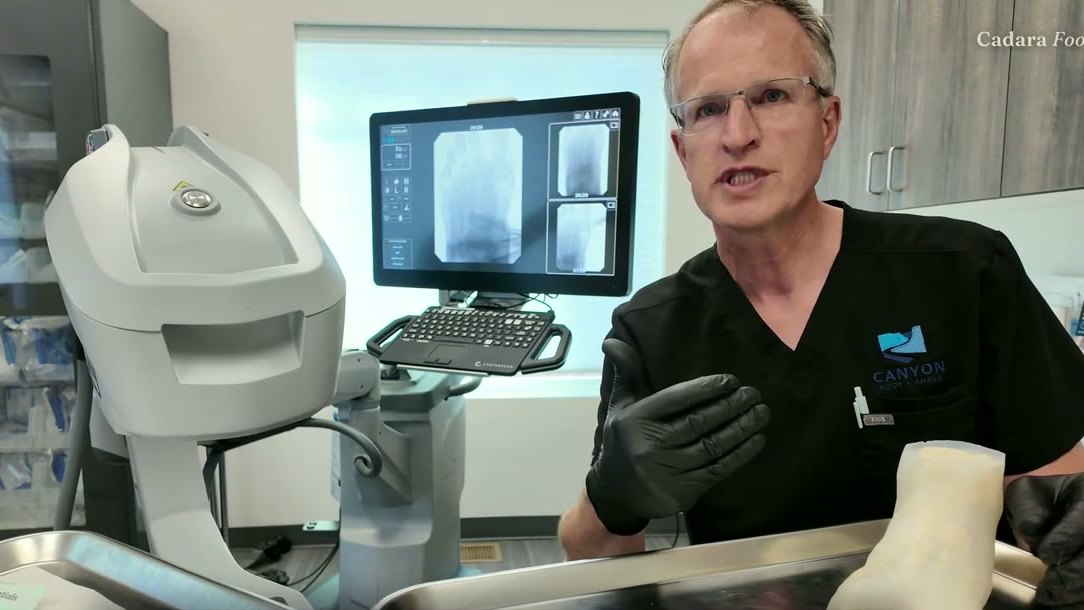
It forces me to learn to trust the feel, because you can't visualize everything. As I compare the Cadara Foot to the real patient, there's a lot more similarities.
Recorded in his own clinic, not at a lab. He works the translucent foot under his own C-arm before his MIS cases, then uses it to show patients what the procedure does.
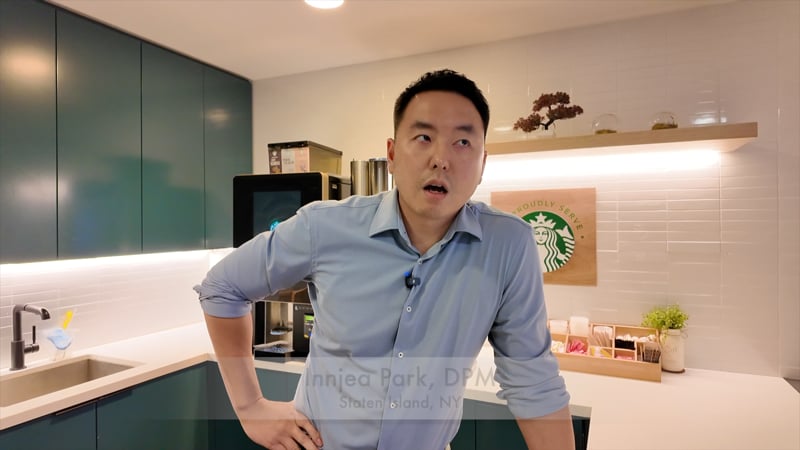
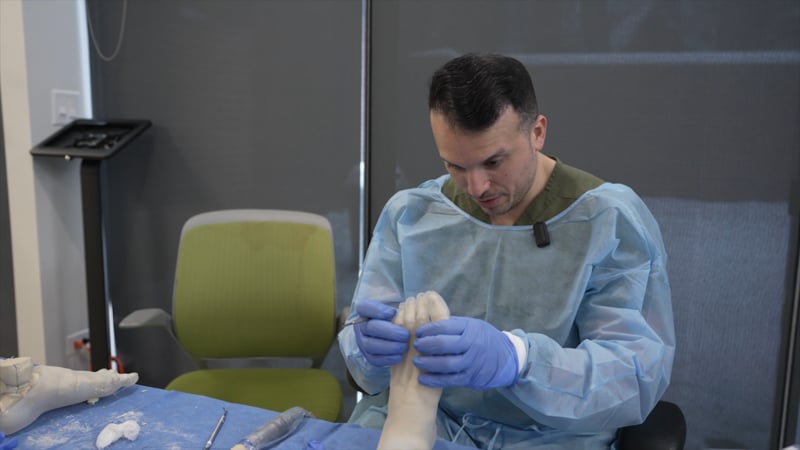
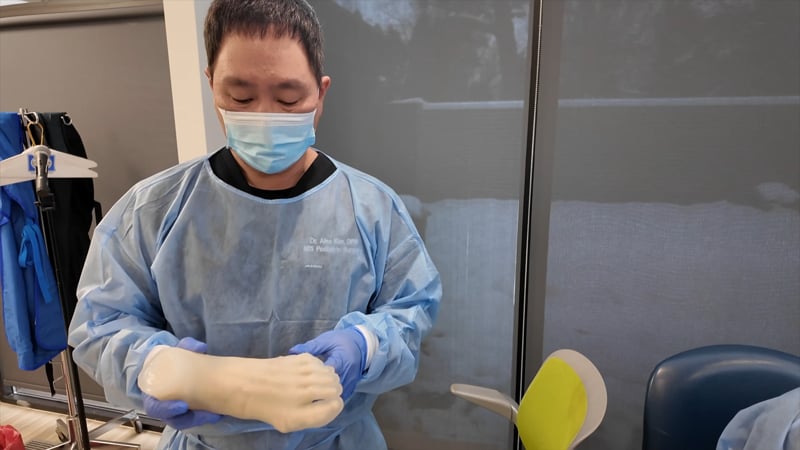
Manhattan, Jan 8–9, 2027. Reserve your place in the founding cohort.
This lab, and the rest of Dr. Ahn's MIS world.
MIS on Tour is the hands-on lab that travels to your region. When you want full anatomy, the hardest cases, or a recognized path to board certification, the rest of Dr. Ahn's MIS world is there. You start where you are and go as far as you want.
MIS on Tour
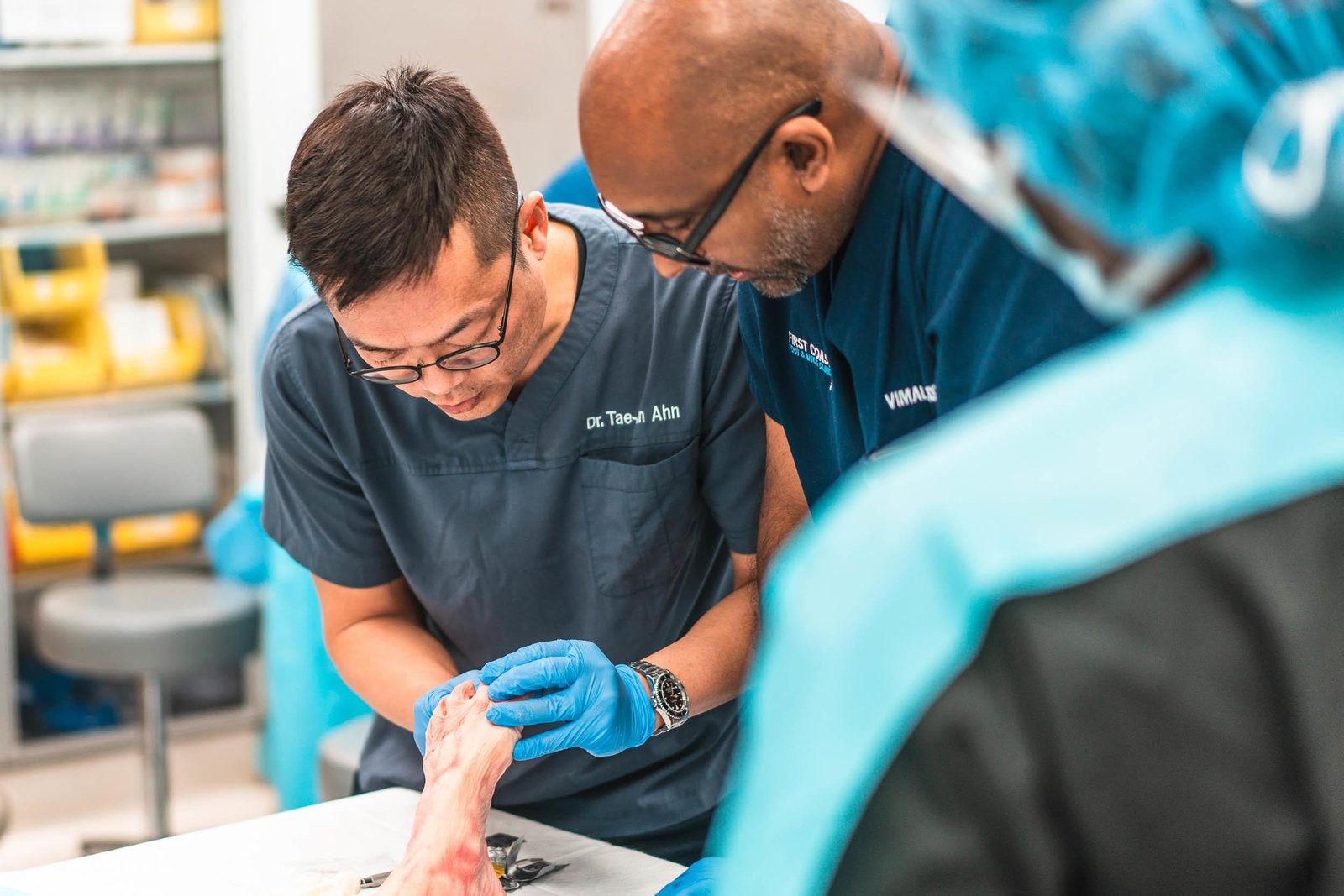
The full two-day MIS lab, brought to your region on the Cadara Foot™. Any level of experience, ten seats, Dr. Ahn at your table.
The cadaver labs
The MIS Intensive private cadaver lab, the Advanced MIS cadaver lab, and the International MIFAS Cadaver Lab (IMIFAS), nine years running, for the most complex cases.
Dr. Ahn's MIS Intensive program is one of the official pathways the American Board of Multiple Specialties in Podiatry (ABMSP) recognizes toward board certification in MIS.
Learn from the surgeon who has taught MIS to 1,300+ surgeons.
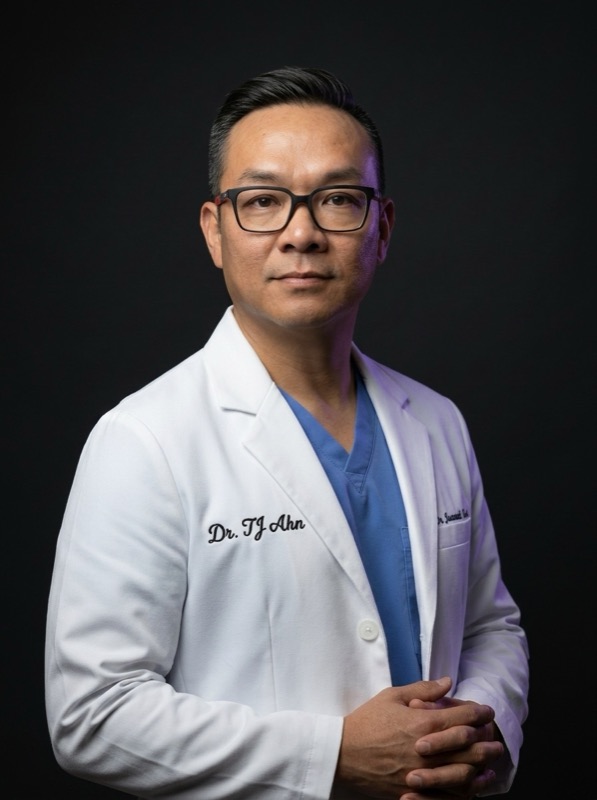
Dr. TJ Ahn
Board-certified podiatric surgeon and founder of MIS Intensive, the IMIFAS Conference, and the MIFAS Elite community, and inventor of the Cadara Foot™. He has hosted and organized more than 50 cadaver labs, so he knows how to teach MIS and how to spot the bad habit before it becomes permanent.
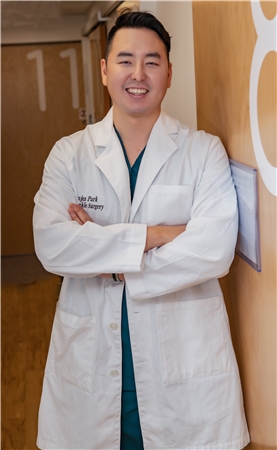
Dr. Innjea Park
Board-certified podiatric surgeon (ABFAS), FACFAS, and co-owner of Forward Foot and Ankle Associates in New York. He teaches surgical technique to residents as an attending at Staten Island University Hospital and Wyckoff Heights Medical Center. Trained in MIS through Dr. Ahn's MIS Intensive program, he leads fixation instruction at the table.
The seat is $1,997. You lock it in at $1,497.
The private cadaver lab seat is $2,597. This seat is $1,997. The first ten surgeons lock it in at $1,497.
Ten seats at the pilot rate. When they fill, the seat goes to $1,997. Later stops will not open at $1,497.
You moved first
Manhattan is where the tour begins. The founding cohort helps set the format for every city after it, and the $500 off the seat is the thank-you for that.
You help prove it
Ten surgeons, on camera, whose results become the case for every city that follows. That proof is worth more to us than the seat.
You are not getting less. You are getting the first one.
Dr. Ahn teaches, the Sixth Sense Protocol™ is the curriculum, and you run every core procedure under live fluoro. The full two days, the protocols, the certificate, and the Cadara Foot™ you corrected to take home.
Ten seats. First stop. Manhattan.
The founding cohort is small so the teaching stays close. Reserve your seat and you will hear from us with the venue and the pre-lab prep.
Friday 1 to 5 PM and Saturday 9 AM to 3 PM. Manhattan, New York. Exact venue to be announced. For reference, a seat in the private cadaver lab is $2,597.
- +8 CE contact hours, granted by CME Dynamics
- +The Friday didactic block and the full Saturday hands-on lab with the Cadara Foot™ under live fluoroscopy
- +Both tracks: percutaneous osteotomies and first-ray fixation
- +The Fixation Workshop with real screws and plates from partner systems
- +Personal instruction from Dr. TJ Ahn at a 10-surgeon table count
- +A dressing and splinting workshop, and a certificate of completion
- +A working lunch on Saturday, so you stay at the table
- +Ready-to-use protocols and the option to take a Cadara Foot™ home
Secure checkout through Luma, opens in this window. A CME Dynamics activity, a CPME-approved CE provider. Dr. Ahn discloses a financial interest in the Cadara Foot™; the accredited teaching is product-neutral.
Foot and ankle surgeons, DPM, DO, or MD, at any level of MIS experience: curious about MIS, back from a cadaver lab and ready to improve or add fixation, or already performing MIS with questions for Dr. Ahn.
A Friday afternoon and a Saturday, then you are back in clinic Monday. Eight CE hours cost you part of a weekend, not a week away from the practice.
Straight answers.
Is there a cadaver at this lab?
No. Every procedure runs on the Cadara Foot™, a radiopaque, non-biological specimen with real deformities and joint capsules. That is what lets the lab travel to your city. When you want full anatomy and the most complex cases, Dr. Ahn's cadaver labs are there, and you arrive ready.
How real does it feel?
Surgeons who have cut real bone keep saying the same thing: it feels like the real thing. Bone you burr, capsules you enter, bone paste under thumb pressure, and it all reads on the C-arm. Watch the surgeon reviews above and Dr. Ahn's walkthrough.
Do I get CE credit?
Yes. Eight CE contact hours, granted by CME Dynamics LLC, a CPME-approved continuing education provider. The Fixation Workshop is an industry segment held separate from the accredited teaching and does not carry CE.
What is the Fixation Workshop?
A hands-on hour where partner fixation companies bring their actual screws and plates to your table so you can place fixation on the specimen with real systems and feel the differences. It is clearly labeled as an industry, non-CE segment, and the accredited teaching before and after it stays product-neutral.
I am already doing MIS. Is this for me?
If you want the fixation side, more hands-on time under fluoro, or to tighten your feel on the burr, yes. The first stop keeps the table count to ten so Dr. Ahn can work at your level, not the room's average.
Which model do I work on, translucent or skin?
Your choice. The translucent Cadara Foot™ lets you see where the burr sits, which is ideal if you are starting MIS. The skin model hides the bone, exactly like the OR. You choose on the pre-event questionnaire, and you can ask for the other one at the lab.
Is lunch included?
Yes. Saturday is a working lunch at the lab, so you stay at your table and keep the day moving. Friday ends at 5 PM.
Where exactly, and what if the date does not work?
Manhattan, New York. The exact venue is to be announced; you will get it as soon as it is set. If January does not work, reserve anyway and tell us; the tour is planning its next stops and founding-cohort surgeons get first call on them.
Your MIS lab is coming to New York. Be one of the ten.
Two days with Dr. Ahn and the Cadara Foot™, 8 CE hours, ready-to-use protocols, and a certificate of completion. Ten seats at the $1,497 pilot rate. When they fill, the seat goes to $1,997.